Unlike ready-made floor coverings, custom carpets are manufactured according to specific project requirements. Every design, color, texture, size, and construction detail is carefully developed to match the client's vision. This process requires collaboration between designers, dyeing specialists, technicians, weavers, quality inspectors, and finishing experts.
For architects, interior designers, procurement managers, and hospitality developers, understanding the manufacturing journey can help in selecting the right supplier and ensuring the final product meets project expectations.

Let's take a step-by-step look behind the scenes at how premium carpets and rugs are manufactured.
Step 1: Understanding the Client's Requirements
Every project starts with a consultation.
Before any yarn is purchased or any loom begins operating, manufacturers gather detailed information about the project.
Typical discussions include:
Carpet dimensions
Design concepts
Color preferences
Installation location
Traffic requirements
Budget expectations
Delivery timelines
A carpet designed for a luxury suite requires different specifications than one intended for a conference hall or retail showroom.
This planning phase helps establish the technical foundation for production.
Step 2: Raw Material Selection
Once project specifications are finalized, the manufacturing team selects suitable raw materials.
The choice of fiber affects:
Appearance
Texture
Durability
Color absorption
Maintenance requirements
Product lifespan
Premium manufacturers commonly use:
New Zealand wool
Wool blends
Nylon
Bamboo silk
Viscose
Polyester
Polypropylene
For luxury interiors, wool remains a preferred option due to its softness, resilience, and elegant appearance.
Many clients seeking Custom-Designed Carpets choose premium wool blends because they provide both visual richness and long-term durability.
Before production begins, every batch of yarn is inspected for consistency, strength, and quality.
Step 3: Design Studio Development
The design studio is where creativity becomes a production-ready blueprint.
Clients often provide:
Interior renderings
Architectural drawings
Mood boards
Artwork references
Brand guidelines
The design team converts these concepts into detailed digital carpet layouts.
During this phase, designers determine:
Pattern scale
Color placement
Texture variations
Pile heights
Construction methods
Advanced design software allows manufacturers to create highly detailed visual simulations before production begins.
This stage eliminates uncertainty and ensures everyone involved understands the final design direction.
Step 4: Sampling and Strike-Off Approval
Before full-scale manufacturing starts, sample sections are produced.
These samples allow clients to review:
Colors
Textures
Material feel
Pattern accuracy
Many project delays occur because design adjustments are discovered late in production.
By creating strike-offs early, manufacturers reduce risk and ensure client approval before moving forward.
Only after approval does the project proceed to dyeing.
Step 5: Dyeing Laboratory Testing
Color matching is one of the most technically demanding stages of carpet production.
The dyeing laboratory develops precise dye recipes based on approved color references.
Technicians test multiple combinations to achieve:
Luxury hospitality projects often require strict color consistency across large areas. Even slight variations can become visible after installation.
Laboratory testing ensures accuracy before bulk production begins.
Step 6: Yarn Loading in the Dyeing Chamber
Once dye formulas are approved, yarn is transferred to industrial dyeing chambers.
The yarn is carefully loaded to ensure even dye penetration throughout the fibers.
Inside the chamber, technicians control:
Temperature
Pressure
Dye concentration
Processing time
This controlled environment ensures every fiber receives uniform coloration.
After dyeing, the yarn undergoes washing and rinsing processes to remove excess dye and improve color stability.
The result is rich, vibrant yarn ready for weaving.
Step 7: Yarn Opening Process
Dyed yarn often arrives in compact bundles.
Before weaving can begin, the yarn must be opened and prepared.
The yarn opening process separates fibers and removes tension that may have developed during dyeing.
This stage helps achieve:
Although simple in appearance, proper yarn opening significantly affects production efficiency.
Step 8: Yarn Wrapping and Cone Preparation
After opening, the yarn is wound onto cones and packages suitable for weaving equipment.
Yarn wrapping ensures:
Proper preparation at this stage prevents production defects later in the process.
For large commercial projects, thousands of yarn cones may be prepared before weaving begins.
Step 9: Handmade and Wilton Weaving
This is the stage where the carpet finally starts taking shape.
Handmade Weaving
For luxury projects, skilled artisans use traditional weaving techniques to create highly customized products.
Advantages include:
Exceptional detailing
Design flexibility
Unique craftsmanship
Luxury appeal
Each section is carefully woven according to approved design specifications.
Wilton Weaving
For larger commercial projects, Wilton weaving technology provides consistency and durability.
Benefits include:
High production efficiency
Excellent pattern clarity
Strong structural performance
Consistent quality
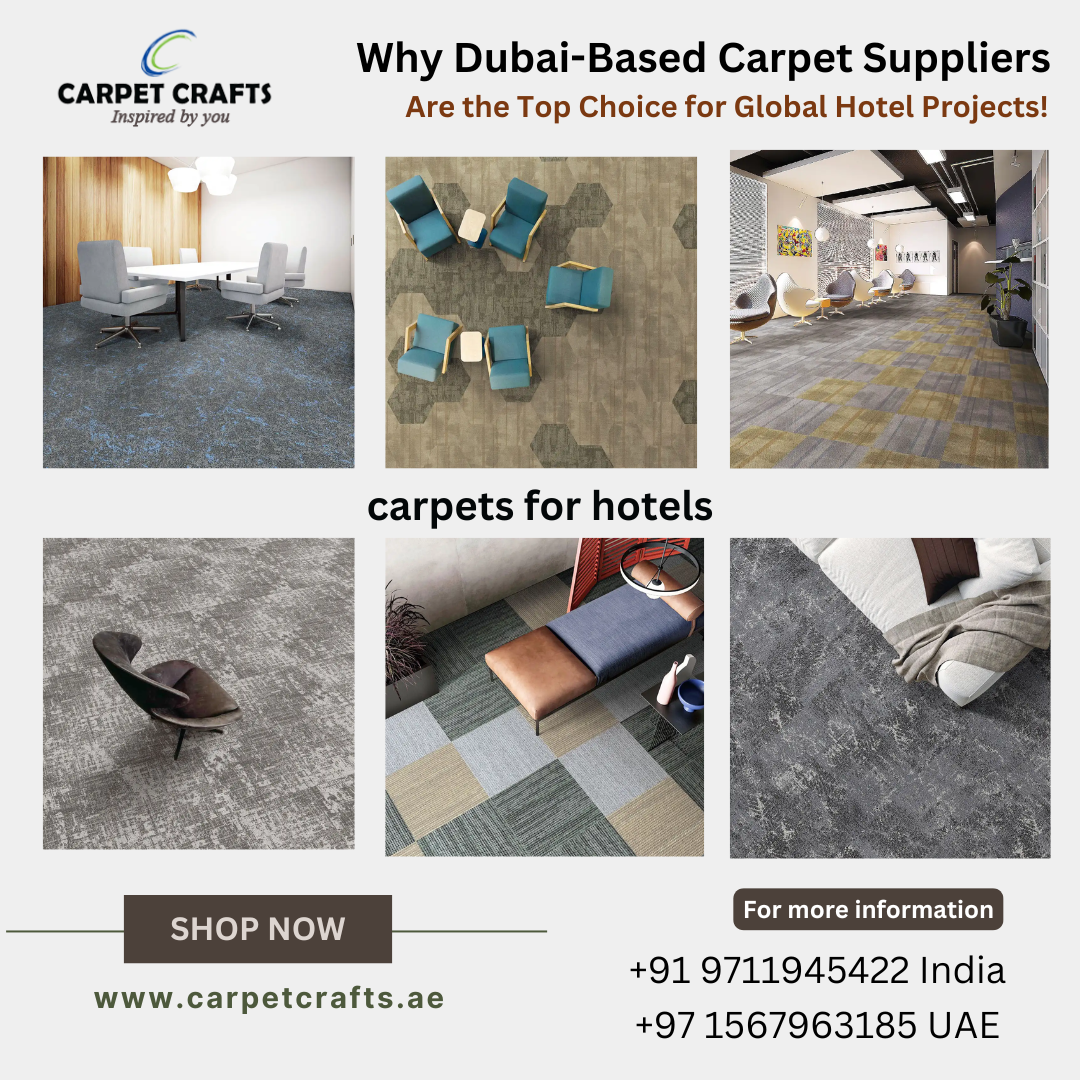
This construction method is widely used for Carpets For Hotels because it combines durability with sophisticated design possibilities.
During weaving, technicians continuously monitor pattern alignment and yarn placement.
Step 10: Tracing on the Loom
For complex custom designs, tracing is essential.
The approved artwork is transferred onto the loom to guide the weaving process.
Tracing ensures:
This stage is especially important for carpets featuring logos, artistic motifs, or detailed geometric patterns.
Even small deviations can affect the final appearance of the carpet.
Step 11: Latexing the Carpet Backing
Once weaving is completed, the carpet structure must be stabilized.
A controlled layer of latex is applied to the backing.
This process locks fibers securely into position and strengthens the carpet.
Benefits include:
Without proper latexing, carpets may experience premature wear or structural issues.
Step 12: Controlled Latexing Drying
After latex application, the carpet enters specialized drying chambers.
The drying process allows the latex to cure properly.
Manufacturers carefully control:
Temperature
Humidity
Air circulation
Drying duration
Proper curing ensures strong adhesion and consistent product performance.
This stage also removes residual moisture before finishing operations begin.
Step 13: Shearing and Surface Leveling
The carpet surface must now be refined.
Shearing machines trim fibers to a uniform height.
This creates:
The difference between an unfinished carpet and a sheared carpet is immediately noticeable.
Step 14: Hand Carving and Detailing
Premium carpets often require additional artistic enhancement.
Skilled craftsmen perform hand carving to create depth within the design.
Carving helps:
This stage transforms a woven product into a visually sophisticated floor covering.
Step 15: Color Separation and Visual Correction
Before final approval, technicians carefully inspect color transitions and pattern clarity.
This stage identifies:
Color inconsistencies
Pattern deviations
Surface irregularities
Finishing defects
Any issues are corrected before the carpet proceeds further.
This detailed inspection helps ensure every carpet meets project specifications.
Step 16: Binding and Edge Finishing
The edges of the carpet are reinforced using specialized binding techniques.
Depending on project requirements, manufacturers may apply:
Standard binding
Serging
Decorative borders
Custom edge treatments
Proper binding improves both durability and appearance.
It also protects the carpet from edge fraying during installation and use.
Step 17: Final Quality Inspection
Before packaging, a comprehensive quality audit is performed.
Inspectors verify:
Dimensions
Color accuracy
Pattern consistency
Surface finish
Structural integrity
Edge quality
Only products that pass inspection move to the packaging department.
This final checkpoint protects both the manufacturer and the client from costly project issues.
Step 18: Packaging and Export Preparation
The final stage prepares the carpet for transportation.
Each carpet undergoes:
Surface cleaning
Protective wrapping
Moisture protection
Labeling
Documentation
For international shipments, export documentation and packaging standards are carefully followed.
Many leading Carpet Manufacturers In Dubai and global suppliers invest heavily in packaging systems to ensure products arrive safely at project sites worldwide.
The Result: A Custom Carpet Built for Performance and Design
By the time a premium carpet reaches a hotel, office, villa, palace, or retail space, it has passed through dozens of skilled hands and multiple quality-control stages.
What appears to be a simple floor covering is actually the result of design expertise, technical precision, advanced manufacturing, and traditional craftsmanship working together.
For B2B buyers, understanding this process highlights the importance of choosing a manufacturer that controls every stage of production. The more attention given to each step, the greater the likelihood of receiving a carpet that delivers beauty, durability, and long-term value.
The next time you walk across a luxury carpet, remember that beneath its surface lies a carefully engineered manufacturing journey designed to transform raw fibers into a lasting statement of quality and design excellence.
#CustomDesignedCarpets #CarpetsForHotels #CarpetManufacturersInDubai


Comments
Post a Comment